Table Of Content
- What is GFC Treatment for Hair Loss?
- Is there anything I can do at home to complement the PRP treatments for hair growth?
- Pumpkin Seed Oil for Hair Loss: Effectiveness and Application
- Advances in liposuction create safer, more effective body-contouring options
- How do trees and green spaces enhance our health?
- Stay on top of latest health news from Harvard Medical School.
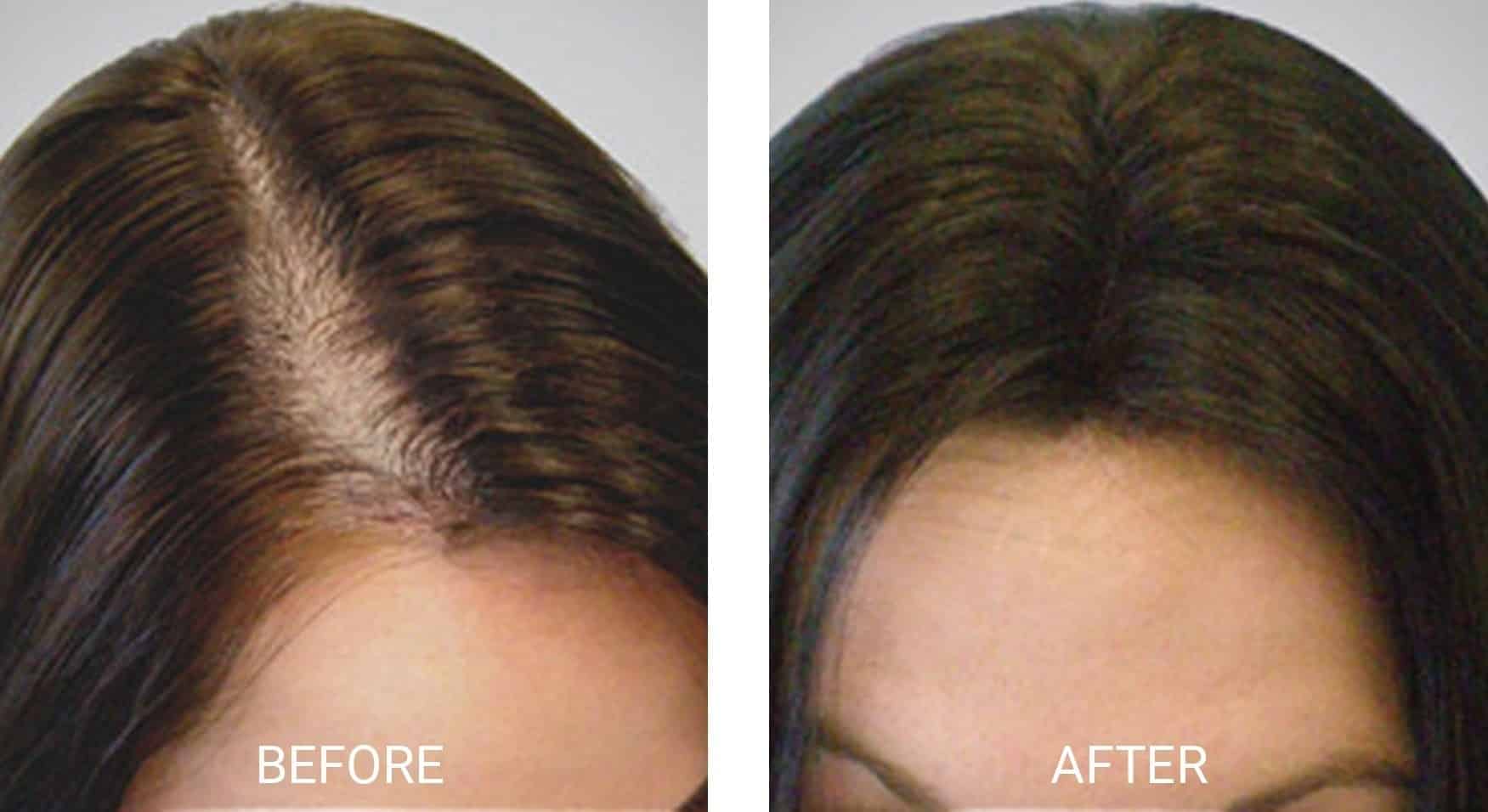
It is then processed in the centrifuge, separating the platelet-rich plasma layer from the red blood cells, white blood cells, and platelet-poor plasma. PRP therapy is one of the most common hair loss treatments today because it’s a safe and effective solution to pattern baldness. Although the treatment has minimal side effects, patients should still be aware of the possible complications they might experience, such as shock hair loss in the treated areas. In the world of sports medicine, doctors have used PRP to help heal muscle and tendon injuries.
What is GFC Treatment for Hair Loss?
Hope for baldness? Research shows new therapy might work - The Indian Express
Hope for baldness? Research shows new therapy might work.
Posted: Sat, 24 Jun 2023 07:00:00 GMT [source]
If you’re unsure about whether PRP therapy is right for you, speak with a healthcare professional. PRP therapy injects platelet-rich plasma cells into the affected area of your scalp. Besides, individual suitability also matters when choosing between GFC and PRP treatment. The best way to know the better alternative between GFC and PRP, specifically in your case, is to consult a dermatologist and know what’s right for your condition. Most people need several sessions of PRP to see results and require ongoing maintenance sessions every six to 12 months.
Is there anything I can do at home to complement the PRP treatments for hair growth?

The FDA also recently approved a new drug for severe cases of alopecia areata called Litfulo (generic name, ritlecitinib). The medication stimulates hair growth by quieting part of the immune system. Getting into the weeds of hair loss and hair restoration could send us off into a tangent worthy of its own article (of which we have plenty already) so I will keep this short and simple. Injecting PRP into the scalp stimulates the stem cells in the hair root to wake up the hair follicle that may have otherwise stopped churning hair out, resulting in a higher chance of hair regrowth in the patient. A 2021 review of 15 studies — including several large randomized control trials that are the gold standard for medical research — found that laser therapy increased hair count in both men and women. You can either purchase over-the-counter laser devices to use at home or receive the treatments from a provider.
Pumpkin Seed Oil for Hair Loss: Effectiveness and Application
We offer topical numbing, ice, and a vibration device to help alleviate any discomfort. People who are afraid of needles may be hesitant, but the needles are very, very small,” explains Nassif. Shampoos are easily the most sold products over the counter against hair loss. However, there is a huge mismatch between the amount of scientific literature available and the number of shampoos marketed for hair loss.
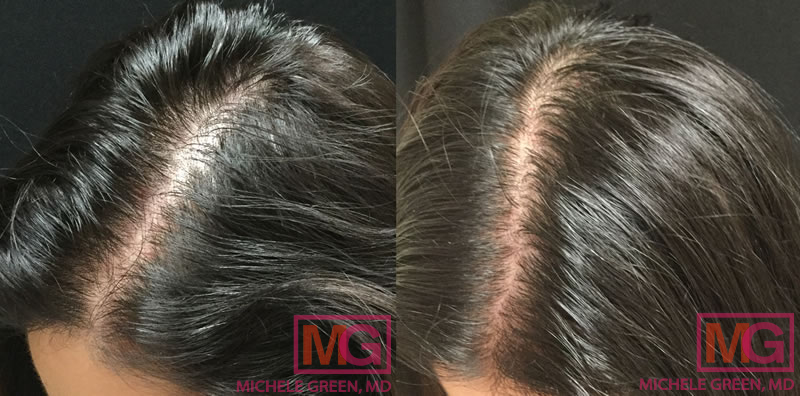
PRP can also be used as a monotherapy for someone who doesn’t tolerate or chooses not to go for traditional medical therapies against androgenetic alopecia. However, it should be noted that the treatment works best in areas with thinning or baby hair. It is not very efficacious in cases with advanced stages of hair loss. In 2019, a team of researchers carried out a systematic review of the research on PRP as a treatment for hair loss. Doctors have also used PRP to treat injuries to the tendons, muscles, and ligaments, such as those that people sustain during sporting activities. Although PRP is a relatively new approach, there is some scientific evidence to suggest that it can promote hair growth.
Comparison of the Efficacy Between Regional Nerve Block and Ring Block as Local Anesthetic Techniques for Platelet ... - Cureus
Comparison of the Efficacy Between Regional Nerve Block and Ring Block as Local Anesthetic Techniques for Platelet ....
Posted: Fri, 09 Feb 2024 08:00:00 GMT [source]
But there’s no doubt in some people that PRP does not work and the who process of having the PRP done just pushes the androgenteic alopecia along down the road a bit faster than it would have otherwise if PRP was not done. Although hair loss after PRP treatments are common, there are still a few things patients can do to speed up the healing process and minimize shedding as well as other mild side effects after their treatment session. Growth factors present in the plasma help to stimulate the stem cells in the body and help to prolong the growth phase of existing hair, reduce hair fall, and thicken hair. Autoimmune diseases essentially trick your immune system into attacking healthy body tissue by mistake.
Financials: Insurance and Out-of-Pocket Costs
While individual responses may vary, and optimal results often require multiple sessions. The researchers concluded that PRP is a safe and effective method for promoting hair regrowth. Many people who are not patients of the practice contacts our office with concerns that they are shedding more hair after their PRP treatment. So, this leads me to believe that hair shedding after PRP is fairly common. In my opinion, there are many myths and misconceptions when it comes to the use of platelet rich plasma (PRP) treatments. PRP does not help everyone and in fact, in some cases actually makes hair worse.
How do trees and green spaces enhance our health?
In one of those two studies, however, the treated patients reported a subjective improvement in hair loss and thickness. They typically administer injections monthly for three months, then spread them out over about three or four months for up to two years. The injection schedule will depend on your genetics, pattern and amount of hair loss, age and hormones.
It is a reliable and efficient treatment option for hair loss because it has many scientifically based articles showing its efficacy in increasing hair count, hair thickness, and the growth phase of the hair cycle. Medications that help balance hormone levels are where it’s at for these conditions. In the case of PCOS, this might involve birth control pills to regulate your menstrual cycle and lessen the impact androgens can have on your hair follicles. “Anti-androgen medications, such as spironolactone, may also be prescribed to counteract the effects of excess androgens,” Dr. Mitchell says. Ostad offers up his average age for patients is in the range of 30s to 40s, so as I start creeping into my late 30s, my goal is to get ahead of the hair loss situation.
While she believes that PRP can be a revolutionary therapy for some patients, she concedes that there are still limitations and unknowns that need to be addressed. When these flakes mix with the oil that’s produced by the scalp, they can clog your follicles and impair the hair’s nutrient supply, which ultimately weakens its structure. So breathe easy, and let us walk you through why this happens and how you can treat hair falling out, specifically with PRP. The material published on hairverse.com is not intended as medical advice, diagnosis, or recommended treatment.
CUTERA’s advanced PRP/PRF treatment for hair loss & hair thinning is an effective, non-surgical method of reversing hair loss. You can regain the bounce in your hair and enjoy a healthier, shinier, glossier head of hair in just a few sessions of PRP. Topical minoxidil can also help stimulate hair regrowth and promote healthier follicles, Dr. Mitchell adds. Before trying it, though, she recommends enlisting the help of a dermatologist, who can determine which concentration and dosage is right for you. “I absolutely recommend taking a medical grade oral hair supplement, such as Viviscal, at the same time as your treatments.
Then, it will be extracted and injected into the balding areas of your scalp. Most patients report minimal discomfort, if any, and return to work the next day. After 3 and 6 months, the side treated with PRP showed an increased number of hairs in the growth phase (anagen) and hair density. After that time, most of her patients – both male and female – have regrown 30% to 40% of the hair they’ve lost.
Some small, limited studies have found that certain supplements and shampoos could be helpful, dermatologists say. However, your best bet if you’re suffering from hair loss is to see a board-certified dermatologist who can determine what’s causing your alopecia and then recommend a treatment plan. A variety of treatments have been developed to help regrow hair and thicken existing hair on patients with alopecia, dermatologists say. Their effectiveness largely depends upon what type of alopecia you have and how quickly you start treatment. It’s usually genetic, but it can also be triggered by diseases or disorders that attack the hair follicles. But shock loss after PRP treatment shouldn’t be a huge concern for many patients since it’s a common side effect that allows the procedure to grow healthier and stronger hair strands.
This results in a reduction in hair loss, improved hair thickness, and increased hair count. When utilized as a hair loss treatment, PRP is derived from the patient’s blood sample and injected into the parts of the scalp with thinning hair. The blood sample is first drawn from the patient’s blood vessel in the arm.
A 2017 study out of Italy also found male patients had increased hair and density in areas where doctors used PRP therapy. Research also suggests that PRP injections can help treat androgenic alopecia (male pattern baldness). And there are seemingly hundreds of different hair loss treatments with varying levels of reliability and success. The doctor’s recommendations for how often a person should have PRP will vary depending on a person’s condition and the results of their initial treatment. The doctor may suggest having maintenance injections every 3–6 months once hair loss is under control.



No comments:
Post a Comment